
Hugelkultur Garden

Fauna
Cuscus
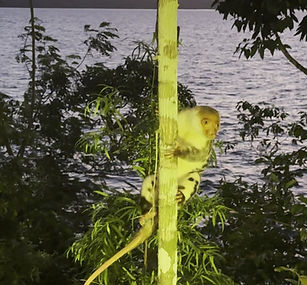
Always keep an eye out for the delightful cuscus, as various species have been spotted near the lodge. Waigeou cuscus, also known as the Waigeou spotted cuscus, is the most frequently seen and a marsupial from the Phalangeridae family, native to Waigeo Island in Indonesia.
These nocturnal animals usually venture out in the evening, gracefully navigating the trees in search of food, making them relatively easy to observe. Sometimes they can be seen during the day, so always remember to look up while you explore!


Birds
Raja Ampat is not only one of the richest marine environments on earth but its densely forested landscapes makes it home to an abundance of bird species; over 250 birds have been registered in the Raja Ampat Islands.
With primary growth rainforest skirting our lodge, we are also situated in a natural bird sanctuary. Over 50 different species including the red bird of paradise have been spotted from our bungalows.
Furthermore, we have built a bird aviary to offer sanctuary for rescued birds, with collaboration with BBKSDA (The indonesian department of Conservation for natural resources) in Raja Ampat. one of the rehabilitated birds was successfully released after two months in the aviary.


Bird aviary, Located at the back of the lodge
Black-capped lory, one of the first rescued bird that were released to the wild
Can you spot them all?
See which of these you can identify, whether it might be from hearing their call or catching a glimpse of one in flight.
1. Dusky Scrubfowl
2. Lesser Frigatebird
3. Sooty tern
4. Brown Noddy
5. Crested tern
6. Yellow Bittern
7. Striated Heron
8. Great-billed Heron
9. Brahminy Kite
10. Osprey
11. White-bellied Sea-Eagle
12. Grey-headed Goshawk
13. Long-tailed Buzzard
14. Common Sandpiper
15. Brown Cuckoo-Dove
16. Superb Fruit-Dove
17. Beautiful Fruit-Dove
18. Claret-breasted Fruit-Dove
19. Pied Imperial Pigeon
20. Spice Imperial Pigeon
21. Eclectus Parrot
22. Palm Cockatoo
23. Sulphur-crested Cockatoo
24. Black-capped Lory
25. Violet-necked Lory
26. Red-cheeked Parrot
27. Moluccan King-Parrot
28. Great-billed Parrot
29. Blyth’s Hornbill
30. Glossy Swiftlet
31. Common Paradise-Kingfisher
32. Oriental Dollarbird
33. Rufous-bellied Kookaburra
34. Beach Kingfisher
35. Sacred Kingfisher
36. Azure Kingfisher
37. Rusty Mouse-Warbler
38. Ruby-throated Myzomela
39. Helmeted Friarbird
40. Mimic Meliphaga
41. Olive-backed Sunbird
42. Spectaclet Longbill
43. Hooded Butcherbird
44. Black Butcherbird
45. Shining Flycatcher
46. Willie Wagtail
47. Glossy Manucode
48. Torresian Crow
49. Red Bird of Paradise
50. Marbled Frogmouth
51. Papuan Hawk-Owl


Herps & other wildlife
Herping is the act of searching for wild reptiles and amphibians out in the nature, the name derives from greek word "herpet" "herpeton" which means creeping.
our lodge is surrounded by the rainforest, makes it a perfect place for our garden to be a stomping ground for many kind of insects, butterflies, bees, rare grasshoper, and others.
we want to raise awareness about the importance of preserving the environment and sharing the beauty of the rain forest with the world.


By staying at our eco lodge, you are actively contributing to the protection the local wildlife and encouraging the local community to prioritize conservation over hunting. We aim to inspire individuals with a strong in ecology to engage in the stewardship of this archipelago, ensuring its preservation for future generations.